
Branding Strategies That Turned Startups into Giants
In today’s competitive marketplace, effective branding strategies can transform small startups into global brands. By leveraging creativity, market understanding, and innovative approaches, several companies have made their mark in the industry. Let’s explore some of the most impactful branding strategies that helped startups grow into giants.
1. Crafting a Unique Brand Identity
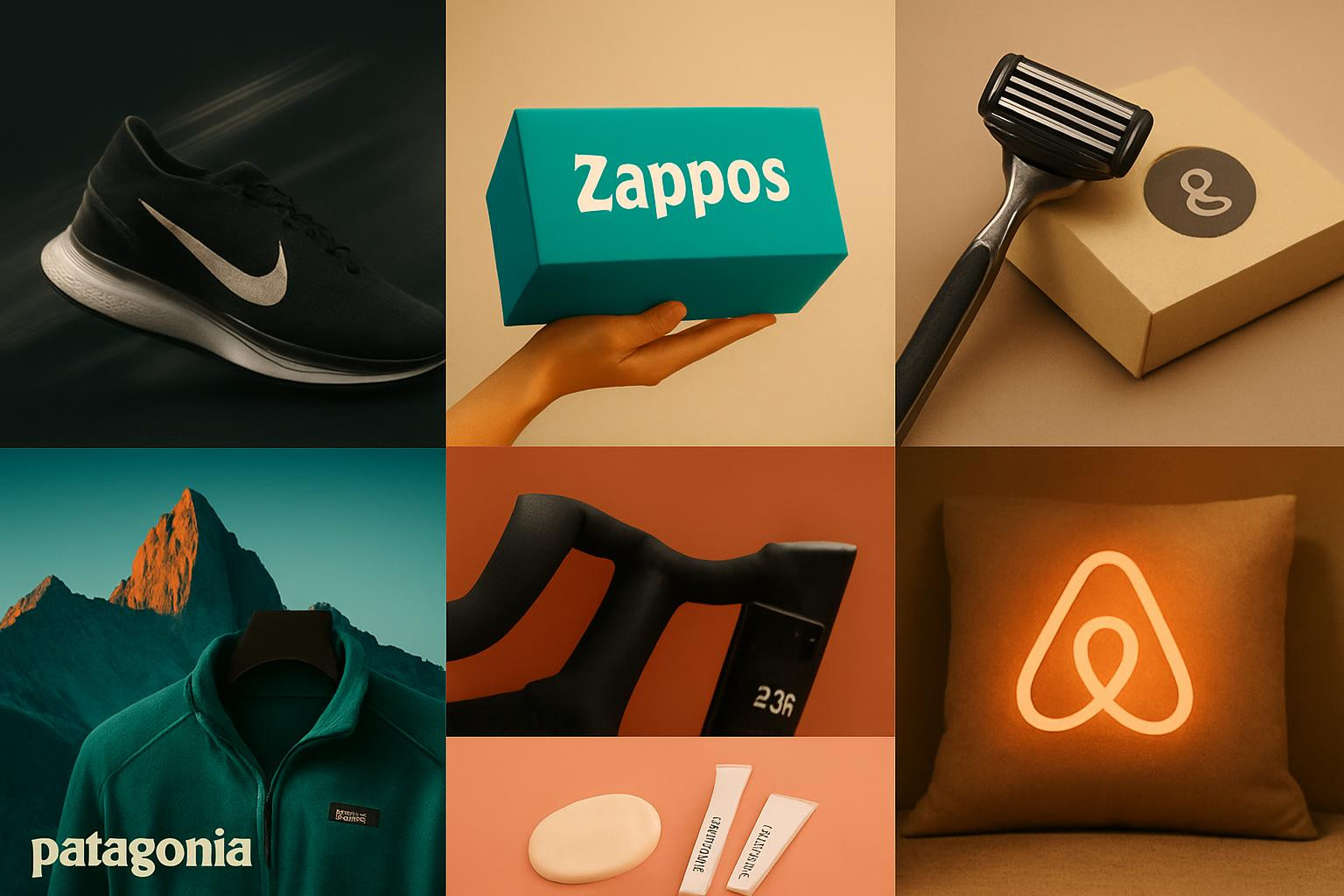
A strong brand identity is crucial for differentiation. This involves developing a memorable logo, a distinct color palette, and a consistent voice across platforms. Nike is a prime example, with its iconic swoosh logo and the tagline "Just Do It," which inspires athletes worldwide. This unique identity fosters emotional connections with consumers, making the brand instantly recognizable.
2. Focusing on Customer Experience
Startups that prioritize exceptional customer experiences often see substantial growth. Zappos, known for its customer service, transformed the e-commerce landscape by offering free shipping and hassle-free returns. By ensuring every customer interaction is positive, they nurture brand loyalty and encourage word-of-mouth marketing.
3. Utilizing Social Media for Engagement
In the digital age, social media is a powerful tool for brands to connect with their audience. Dollar Shave Club utilized clever and humorous marketing videos to gain traction in a saturated market. Their viral video campaigns not only showcased their product but also engaged potential customers in a memorable way.
4. Creating a Community Around the Brand
Building a community is essential for long-term brand loyalty. Peloton has effectively engaged its users by creating a lifestyle around its products. The combination of interactive fitness classes and social platforms allows users to connect with others, making them feel part of a larger community. This deepens customer loyalty and transforms users into brand ambassadors.
5. Consistent Messaging and Values
Consistency in messaging and values across all channels reinforces brand identity. Patagonia stands out for its commitment to environmental sustainability, aligning its business practices with its brand message. This steadfast dedication attracts customers who value ethical consumption, thus enhancing brand loyalty and advocacy.
6. Leveraging Influencer Marketing
Partnering with influencers can exponentially increase a brand's reach. Startups like Glossier have famously employed influencer marketing to build community trust. By featuring real customers and beauty influencers in their marketing efforts, they promoted inclusivity and authenticity, which resonated with their target audience.
7. Innovating and Adapting with Market Trends
Startups that continuously innovate and respond to market trends tend to stay relevant. Airbnb adapted its model based on evolving consumer preferences, emphasizing authenticity and local experiences. By being flexible and innovative, they grew to dominate the travel accommodation market.
Conclusion
These branding strategies illustrate that it’s not just about having a great product, but also about creating a brand that resonates with customers. By focusing on unique identity, customer experience, community building, and innovative marketing practices, startups can pave their way to becoming giants in their industries. As the landscape evolves, staying true to these principles while adapting to change will be key for future businesses aiming for growth.